Sikh Wedding Photography in Toronto: What Couples Should Know

Introduction
Sikh weddings are deeply meaningful, emotional, and rooted in tradition. From the quiet moments before the ceremony to the energy of the Baraat and the significance of the Anand Karaj, every part of the day carries importance.
For couples planning a Sikh wedding in Toronto or the GTA, choosing the right photography and videography team matters. These weddings often move quickly, include large family moments, and require a respectful understanding of the ceremony.
Sikh wedding photography is not just about capturing beautiful images. It is about understanding the flow of the day, anticipating key moments, and documenting everything with care, awareness, and intention.
In this guide, we break down what couples should know before booking a Sikh wedding photographer in Toronto.
Why Sikh Wedding Photography Requires Experience
Every wedding has important moments, but Sikh weddings require a specific level of awareness.
A photographer needs to understand:
The flow of the Anand Karaj
The importance of the Laavan
The pace of the Baraat
The role of family throughout the day
How to work respectfully inside the Gurdwara
When to step in and when to stay unobtrusive
Without this experience, important moments can be missed or captured without the right context.
An experienced Sikh wedding photographer in Toronto knows how to balance respect, timing, and creativity throughout the day.
The Getting Ready Moments
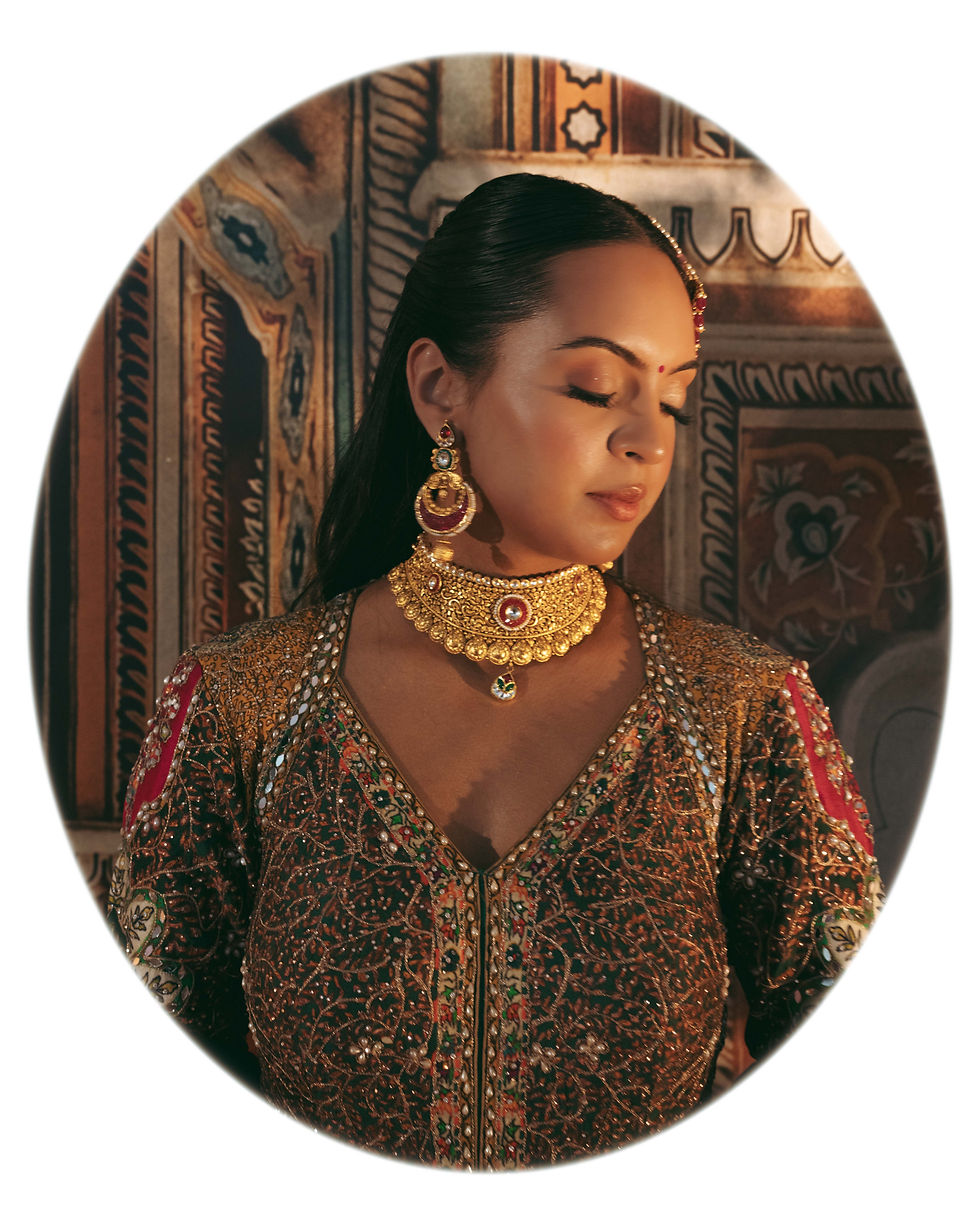
The morning often begins with quiet preparation.
For the bride, this may include hair, makeup, outfit details, jewelry, chooda, kalire, and moments with family.
For the groom, this may include tying the turban, preparing with family, outfit details, and moments before the Baraat.
These scenes help tell the full story of the day. They create emotional context before the ceremony begins.
A strong photographer captures these moments naturally, without making the morning feel rushed or overly staged.
The Baraat


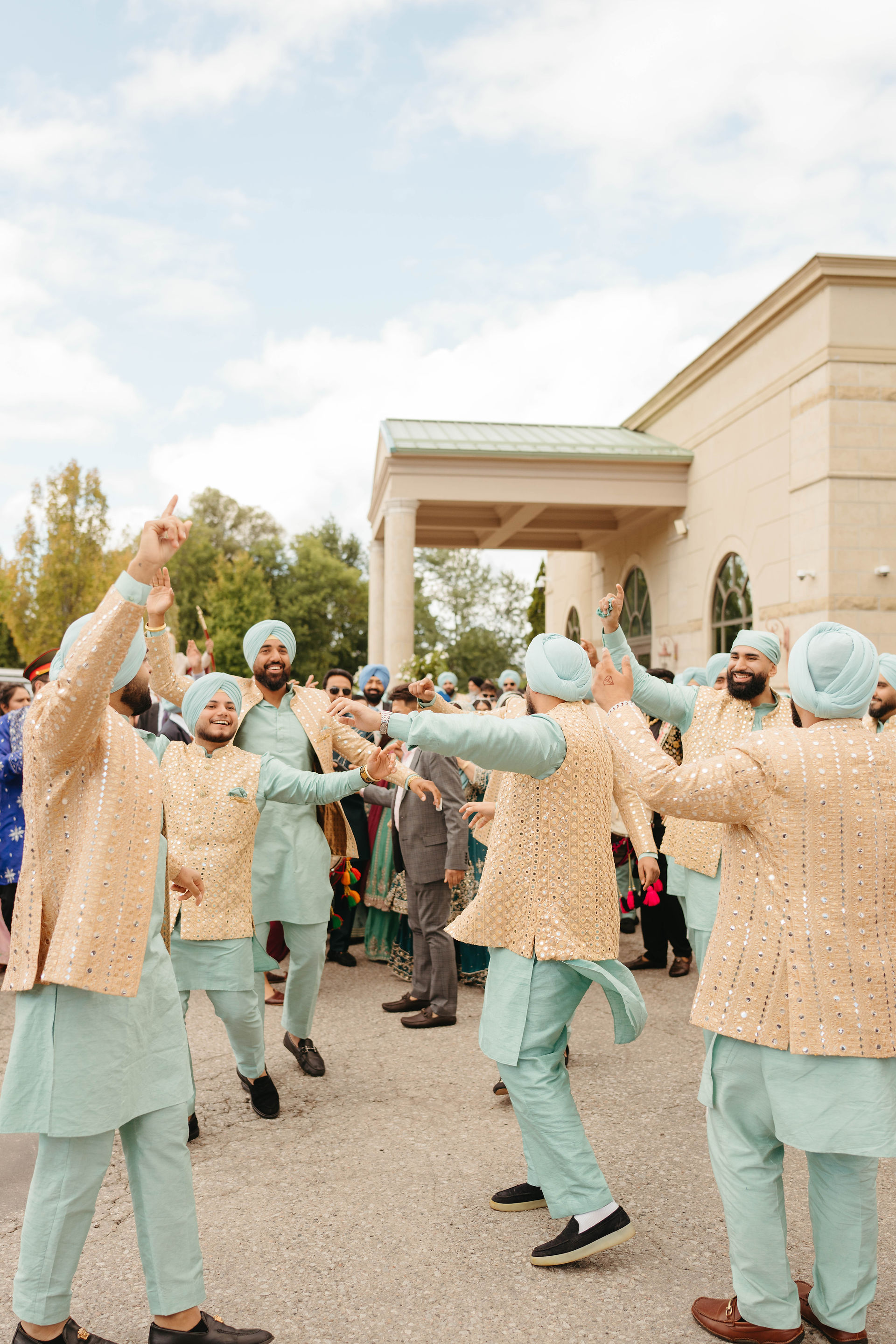
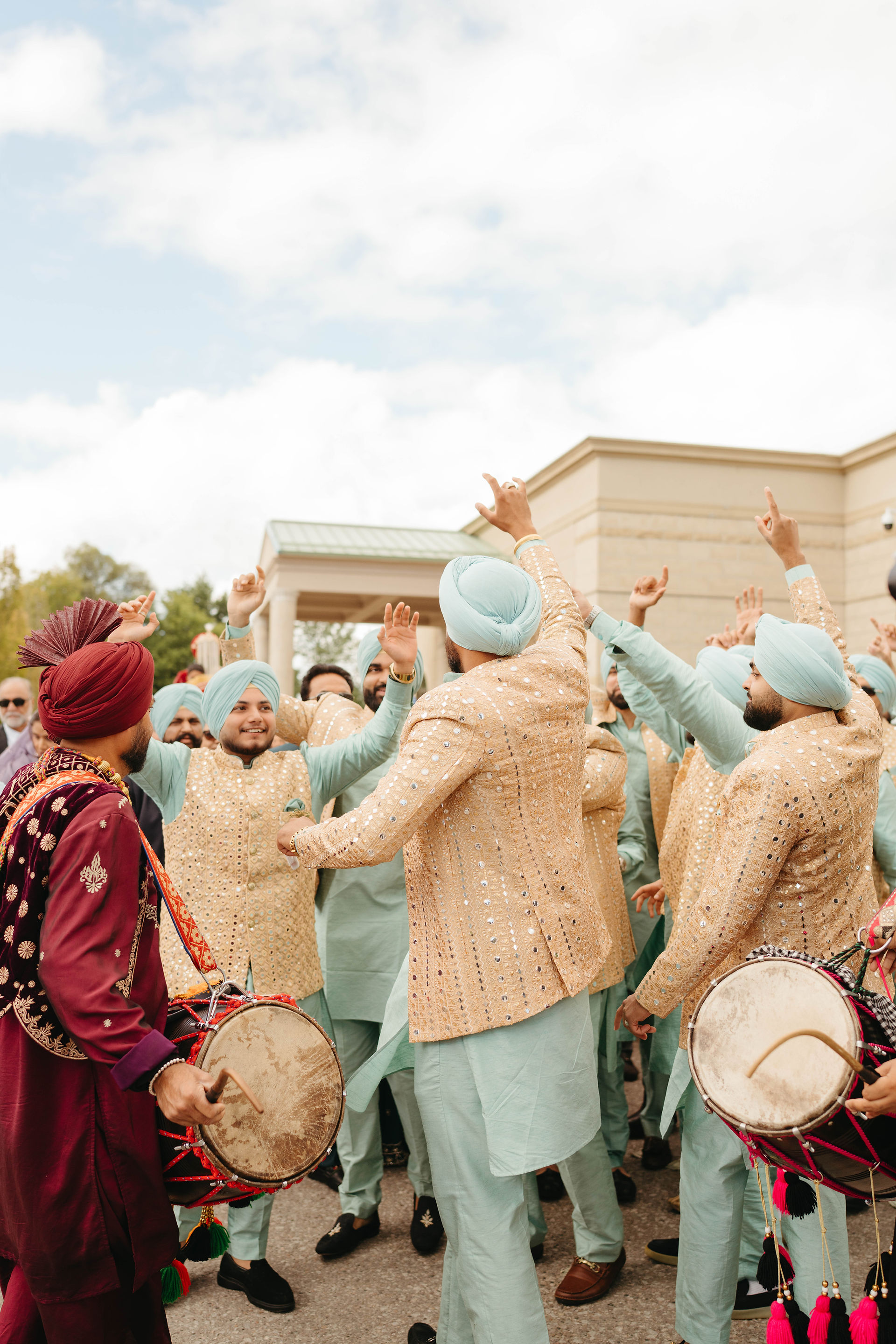
The Baraat is one of the most energetic parts of a Sikh wedding.
Music, dancing, family, and celebration all come together as the groom arrives. Because everything happens quickly, this part of the day requires strong timing and awareness.
Important moments to capture include:
The groom’s arrival
Family dancing
Guest reactions
Wide shots of the celebration
Candid moments between relatives
The Baraat adds energy and movement to the final gallery and wedding film. It is one of the strongest storytelling moments of the day.
The Milni
The Milni is a meaningful moment where both families greet one another before the ceremony.
It may feel simple, but it carries emotional and cultural importance. These greetings often include smiles, hugs, blessings, and family interactions that are worth preserving.
A photographer needs to be ready because the Milni can move quickly. The best images often come from reactions and small moments between family members.
The Anand Karaj Ceremony


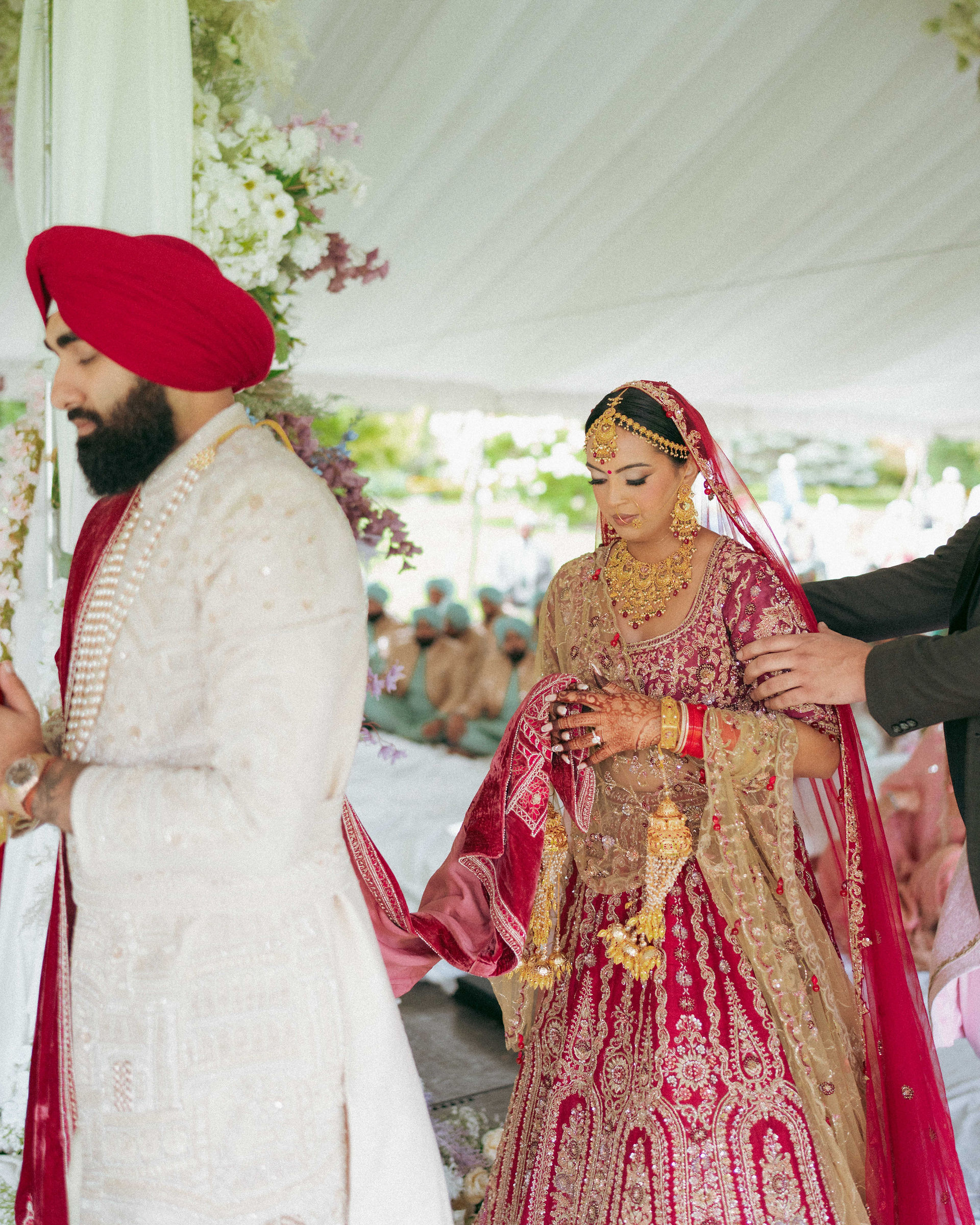
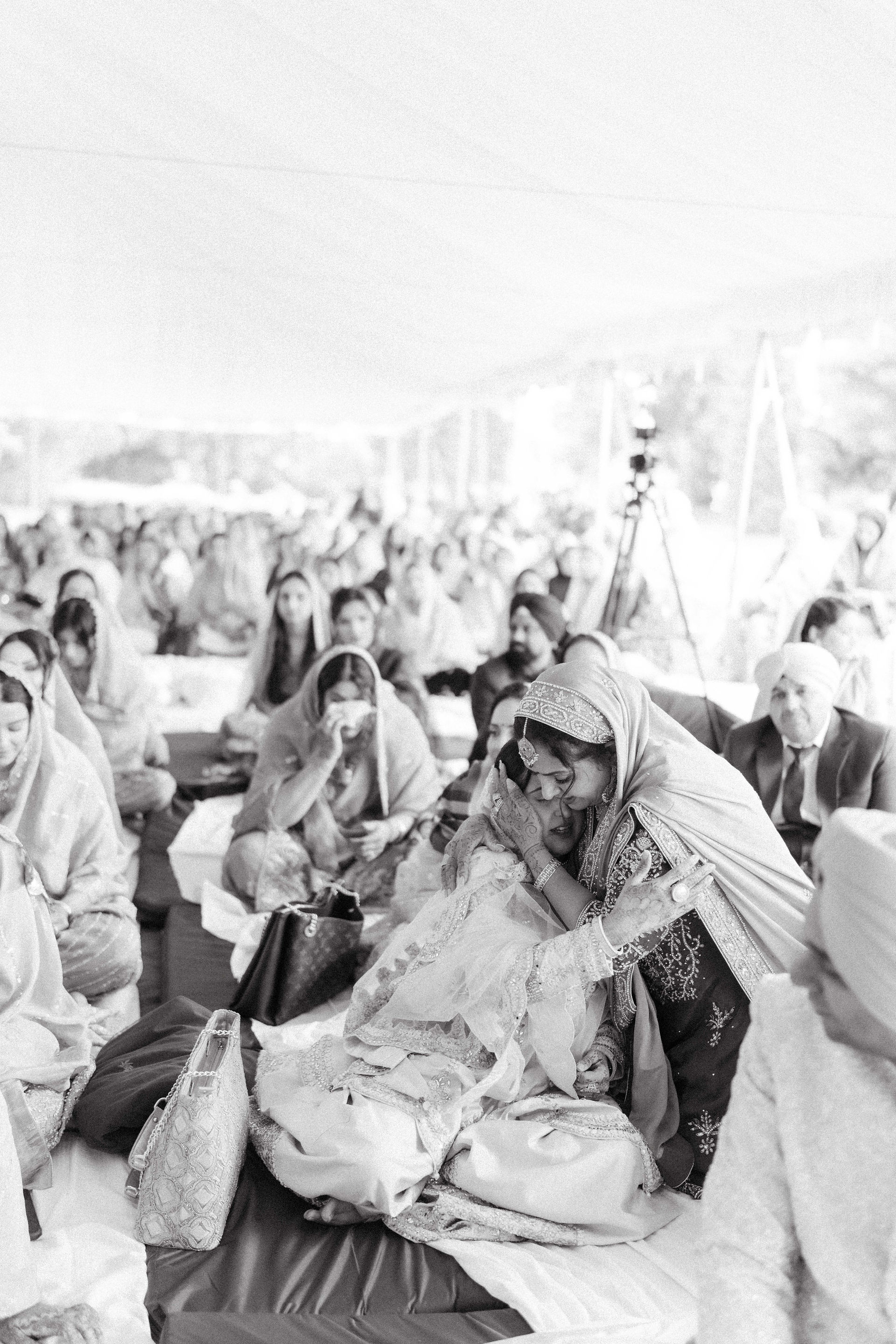


The Anand Karaj is the heart of a Sikh wedding.
This ceremony requires respect, patience, and awareness. The photography team must understand the environment and work without disrupting the ceremony.
Key moments include:
The couple entering the Gurdwara
Family seated during the ceremony
The Laavan
Expressions from parents and relatives
Wide ceremony shots
Close-up moments of the couple
Final blessings and closing moments
A photographer experienced in Anand Karaj photography knows where to position themselves, when to move, and how to capture the ceremony with care.
This is one of the most important reasons to choose a team familiar with Sikh weddings.
Family Portraits
Family portraits are a major part of Sikh weddings.
Because families are often large and timelines can be tight, organization is important.
A professional team should work with a family photo list before the wedding day. This helps make sure important combinations are captured efficiently.
Common groupings include:
Immediate family
Parents and siblings
Grandparents
Extended family
Bride’s side
Groom’s side
Combined family portraits
Without structure, this part of the day can take longer than expected. A strong team keeps it calm, organized, and respectful of the timeline.
Couple Portraits

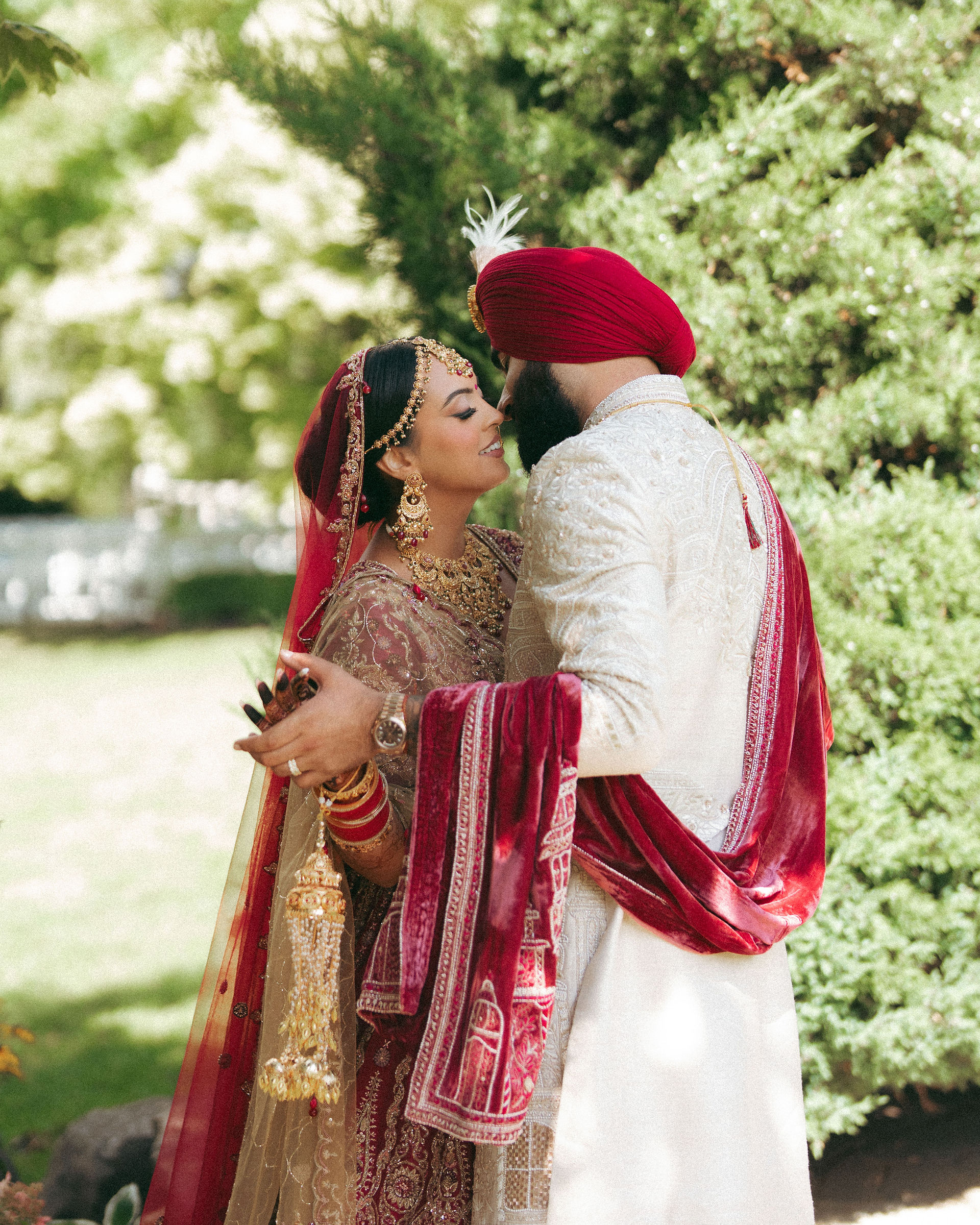
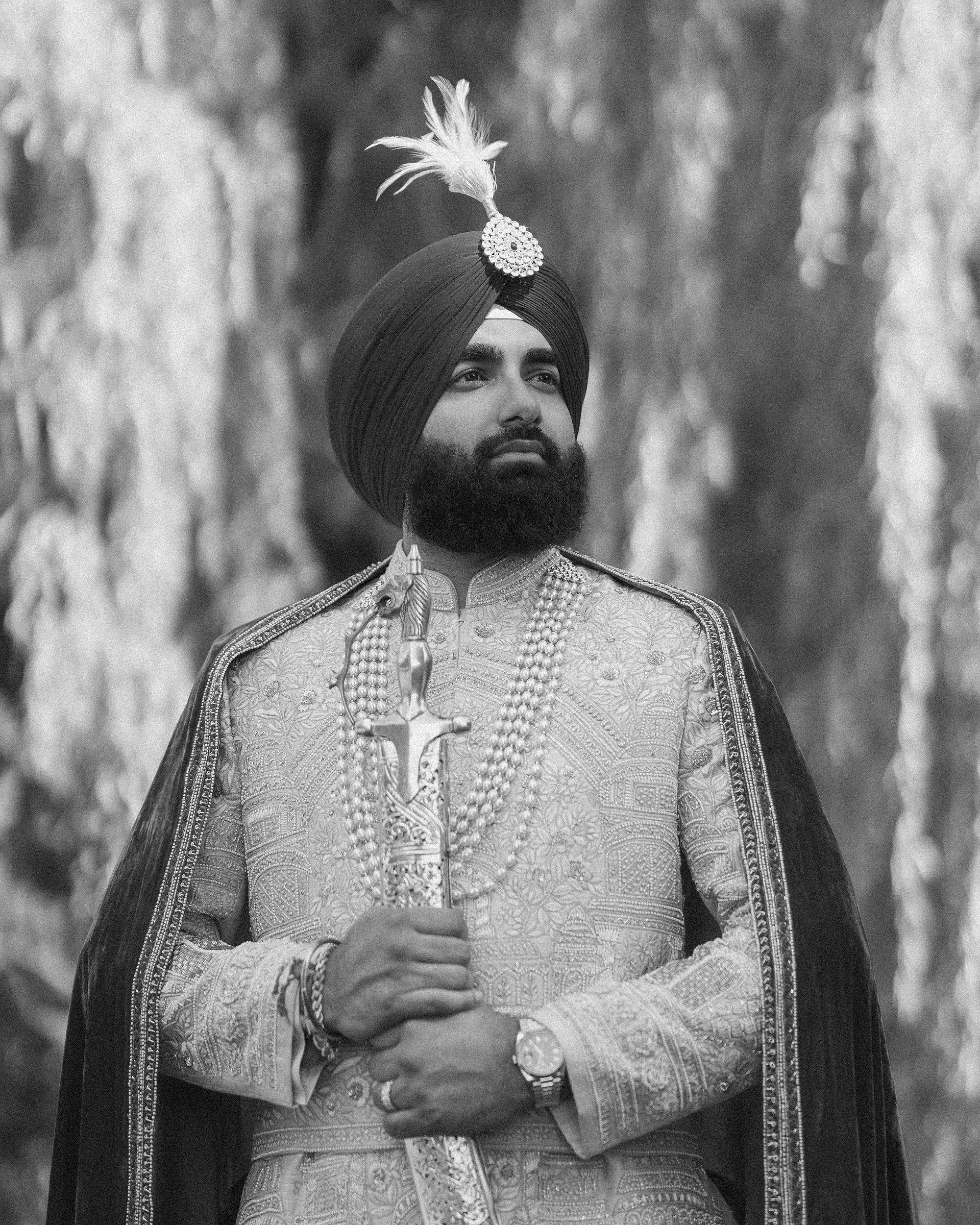
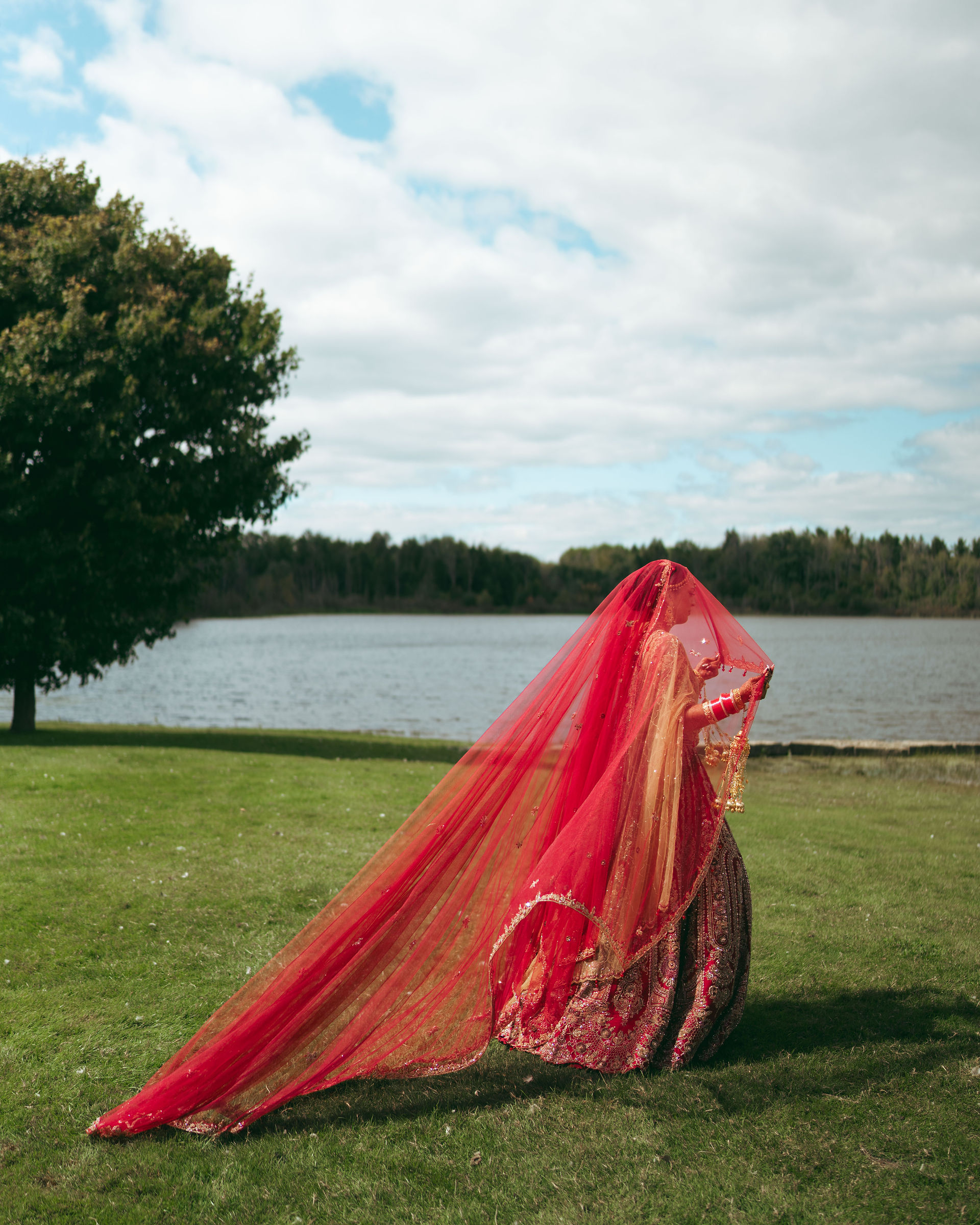


Couple portraits are where the day slows down.
After the ceremony, couples often have a short window for portraits before moving into the reception or next event.
A good photographer will balance:
Natural interaction
Gentle direction
Clean composition
Emotion and connection
A refined visual style
The goal is to create images that feel intentional without feeling forced.
For Sikh weddings in Toronto and the GTA, portrait timing is especially important because venues, travel, and family schedules can make the day move quickly.
Reception Coverage
The reception brings a different energy to the day.
This is where celebration, speeches, entrances, dancing, and family moments take center stage.
Important reception moments include:
Couple entrance
Family and bridal party entrances
Speeches
First dance
Parent dances
Dance floor moments
Guest reactions
Lighting often changes during the reception, so experience matters. A strong photographer knows how to adapt to reception lighting while still capturing clean, polished images.
Photography and Videography Together
Many Sikh weddings benefit from having one team handle both photography and videography.
This creates a smoother experience because both sides are working from the same timeline, visual direction, and communication style.
The benefits include:
Better coordination
Less overlap during important moments
A consistent visual style
Smoother portrait sessions
Stronger storytelling across photo and film
For fast-moving cultural weddings, this coordination can make a major difference.
What to Look for in a Sikh Wedding Photographer
When choosing a Sikh wedding photographer in Toronto, couples should look beyond highlight images.
Here are a few things to consider.
1. Experience with Sikh Weddings
Make sure the team has photographed Sikh weddings before. Understanding the Anand Karaj and Gurdwara environment is important.
2. Full Galleries
Ask to see full wedding galleries, not just social media highlights. Full galleries show consistency across the entire day.
3. Communication
The team should be organized, responsive, and clear throughout the planning process.
4. Cultural Awareness
A strong team understands the importance of tradition and family moments.
5. Calm Presence
Your photography team should help the day feel smoother, not more stressful.
Sikh Weddings in Toronto and the GTA
Toronto and the GTA are home to many Sikh weddings every year, across Gurdwaras, banquet halls, luxury venues, and private spaces.
Each wedding has its own timeline, family structure, and visual style.
A team familiar with the local wedding landscape can help with:
Timeline planning
Travel between locations
Ceremony expectations
Venue lighting
Reception flow
This local experience helps the day feel more organized and ensures important moments are captured properly.
Final Thoughts
Sikh wedding photography is about more than documenting a day. It is about preserving tradition, emotion, family, and the meaning behind each moment.
From the Baraat to the Anand Karaj and reception, every part of the day deserves to be captured with care and intention.
Choosing the right Sikh wedding photographer in Toronto gives you confidence that your wedding will be documented respectfully, beautifully, and completely.
Explore More
If you are planning a Sikh wedding in Toronto or the GTA, explore our recent wedding galleries and films to see how these moments come to life.
Learn more about our wedding photography and videography services in Toronto, or inquire to check availability for your wedding date.


Comments