Toronto Wedding Photographer and Videographer: Why One Team Makes the Day Smoother

Introduction
Planning a wedding comes with hundreds of decisions, but one of the most important is choosing who will capture the day.
For many couples, photography and videography are booked separately. One team handles the photos, another handles the film, and everyone comes together on the wedding day. While this can work, it can also create challenges if both teams are not aligned.
For weddings in Toronto and the GTA, where timelines can be tight, venues can be spread out, and cultural celebrations often involve multiple events, having one team for both photography and videography can make the experience feel much smoother.
A combined wedding photographer and videographer team does more than capture visuals. It helps create a more seamless, coordinated, and consistent experience from planning to final delivery.
In this guide, we break down why choosing one team for both wedding photography and videography can make a major difference.
Photography and Videography Serve Different Purposes
Before deciding whether to hire one team or separate vendors, it helps to understand the role of each service.
Wedding photography captures still moments. These are the images you frame, print, share, and revisit over time. Photos preserve details, expressions, portraits, family moments, decor, and emotional interactions.
Wedding videography captures movement, sound, and atmosphere. It preserves vows, speeches, music, reactions, and the overall energy of the day.
Both are valuable, but they tell the story differently.
Photography allows you to pause a moment.


Videography allows you to relive it.
When both services are planned together, the final result feels more complete.
Why One Team Creates a Smoother Experience
A wedding day moves quickly. There are getting-ready moments, ceremony coverage, portraits, family photos, entrances, speeches, dances, and reception details.
When photography and videography are handled by one team, everyone works from the same plan.
This helps with:
Timeline coordination
Shot planning
Communication
Vendor flow
Creative consistency
Instead of two separate teams trying to figure things out on the day, one coordinated team already understands the full vision.
This is especially helpful for Toronto weddings where travel time, venue rules, traffic, and tight timelines can affect the schedule.
Better Communication Before the Wedding
A smooth wedding day starts before the event.
When you book one team for both photography and videography, planning becomes simpler. You do not have to explain your timeline, preferences, and priorities to multiple creative teams.
One team can help guide:
When to schedule portraits
How much time to leave for video coverage
Which family combinations need to be captured
What moments matter most
How the day should flow visually
This reduces confusion and gives everyone a clear direction.
For couples planning larger weddings or multi-day celebrations, this level of coordination can make the entire process feel more organized.




Less Overlap on the Wedding Day
One of the biggest issues with separate photography and videography teams is overlap.
Both teams may be trying to capture the same moment from the same angle. This can create problems like:
Photographers walking into video shots
Videographers blocking photo angles
Too many people directing the couple at once
Slower portrait sessions
More interruptions during natural moments
A combined team knows how to work around each other.
They understand positioning, movement, and timing. This allows everyone to capture what they need without disrupting the flow of the day.
The result is a calmer experience for the couple and better final content.
A More Consistent Visual Style
Every creative team has a different style.
One photographer may edit warm and soft. Another videographer may create darker, more dramatic films. Separately, both may look good, but together they may not feel cohesive.
When one team handles both photography and videography, the overall visual direction can stay consistent.
This includes:
Color tone
Composition
Mood
Storytelling approach
Editing style
For couples who want a refined and intentional wedding experience, consistency matters.
Your photos and films should feel like they belong to the same story.
Better Timeline Efficiency
Wedding timelines are often tighter than couples expect.
This is especially true for weddings in Toronto and the GTA, where the day may include:
Multiple locations
Travel between venues
Cultural ceremonies
Family portraits
Reception coverage
When your photo and video team works together, they can move more efficiently.
For example, during couple portraits, the photographer can guide a moment while the videographer captures movement naturally. Instead of stopping and restarting for each team, both can capture content at the same time.
This saves time and keeps the day feeling natural.
A More Comfortable Experience for the Couple
Your wedding day should not feel like a production set.
When too many creative teams are involved, couples can sometimes feel overwhelmed. Different people may give different directions, ask for repeated poses, or pull the couple in multiple directions.
A unified team creates a calmer experience.
The couple only has to build trust with one creative direction. This makes posing, movement, and candid moments feel more natural.
For couples who do not love being in front of the camera, this can make a big difference.
Stronger Storytelling
Wedding photography and videography are not just about capturing separate pieces of the day. Together, they create the full story.
A coordinated team can decide:
Which emotional moments should be prioritized
How the day should be documented visually
What details matter for both photo and film
How to balance candid and directed moments
This creates a stronger final result.
The gallery and wedding film feel connected, rather than like two separate interpretations of the same day.
Why This Matters for South Asian Weddings
For South Asian weddings, coordination becomes even more important.
These weddings often include:
Multi-day events
Larger guest counts
Fast-moving ceremonies
Cultural traditions
Multiple outfit changes
Different venues
A team that understands both photography and videography can better anticipate key moments.
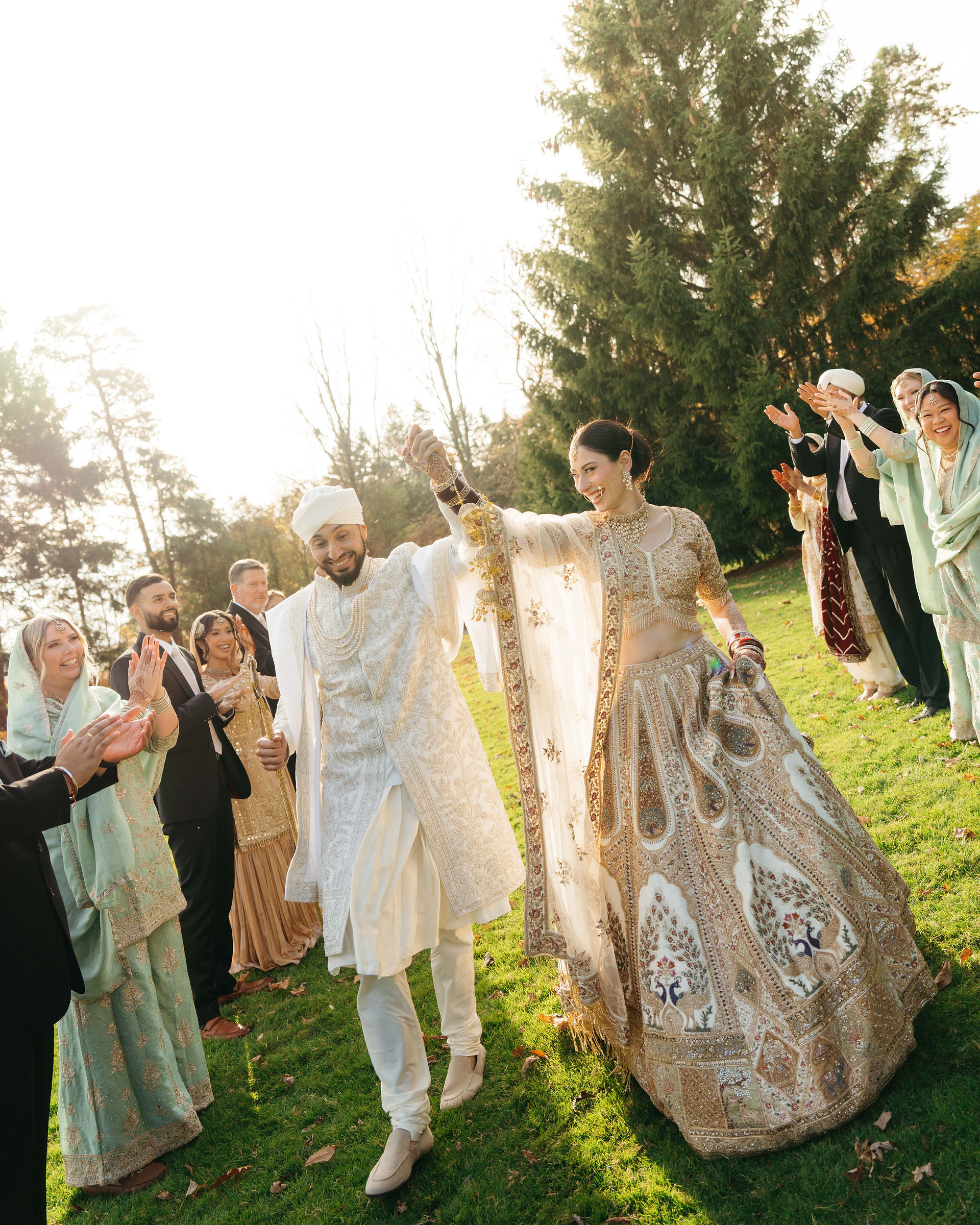
For example, during a Punjabi or Sikh wedding, the team needs to understand the flow of the Anand Karaj, the energy of the Baraat, and the importance of family moments. During a Hindu wedding, the team needs to understand rituals around the Mandap and the pace of the ceremony.
When one team handles both photo and video, nothing feels disconnected.
Everyone understands the cultural flow, the priorities, and the timing.
Easier Communication After the Wedding
The experience does not end when the wedding day is over.
After the event, couples wait for galleries, films, edits, previews, and final delivery.
When you work with one team, the post-production process is more unified.
This can mean:
Clearer delivery timelines
Easier communication
Consistent editing
Better organization of files and assets
Instead of following up with multiple vendors, you have one team managing the full visual story.
When Separate Teams Might Still Work
There are cases where hiring separate teams can still work well.
For example, you may already have a photographer you trust, or you may want a very specific videography style from another team.
If you do hire separately, make sure both teams:
Communicate before the wedding
Understand the timeline
Respect each other’s working style
Have experience collaborating with other vendors
Strong communication is key.
However, for many couples, especially those planning larger weddings, choosing one team can reduce stress and improve the overall experience.
What to Look for in a Photo and Video Team
If you are considering one team for both services, look for more than just a nice portfolio.
A strong wedding photographer and videographer team should have:
1. Full Galleries and Full Films
Do not only rely on Instagram clips or highlight images. Ask to see full weddings.
This shows consistency across the entire day.
2. Experience with Similar Weddings
If you are planning a cultural wedding, multi-day event, or large celebration, choose a team that understands that type of wedding.
3. Clear Communication
From the first inquiry, the process should feel organized and professional.
4. A Consistent Style
Your photos and films should feel visually connected.
5. A Calm Presence
The team should guide when needed, but also know when to step back and let moments unfold naturally.
Wedding Photography and Videography in Toronto
Toronto weddings are diverse, fast-paced, and often highly detailed.
From luxury venues downtown to cultural weddings across the GTA, each wedding requires a team that can adapt quickly while maintaining quality.
Choosing one wedding photography and videography team in Toronto can make the day feel more organized, more cohesive, and less stressful.
It allows the couple to focus on the experience while knowing every major moment is being captured with care.
Final Thoughts
You do not have to choose one team for both photography and videography, but for many couples, it can create a smoother and more complete experience.
A unified team brings better communication, stronger coordination, consistent visuals, and a more natural flow throughout the day.
Your wedding is not just a collection of separate moments. It is one full story.
Choosing a team that can capture both the stillness and the movement of that story allows you to preserve the day in a way that feels complete, intentional, and timeless.
Explore More
If you are planning your wedding and want a seamless photography and videography experience, explore our recent wedding galleries and films.
Learn more about our wedding photography and videography services in Toronto, or inquire to check availability for your date.


Comments